

The past few months changed everything for me. From turning 21 to racing on the fastest track in the world, I’ve had to grow fast, mentally, physically, and emotionally. Here’s what I’ve learned about independence, pressure, community, and the kind of support that keeps you moving even when no one’s watching.
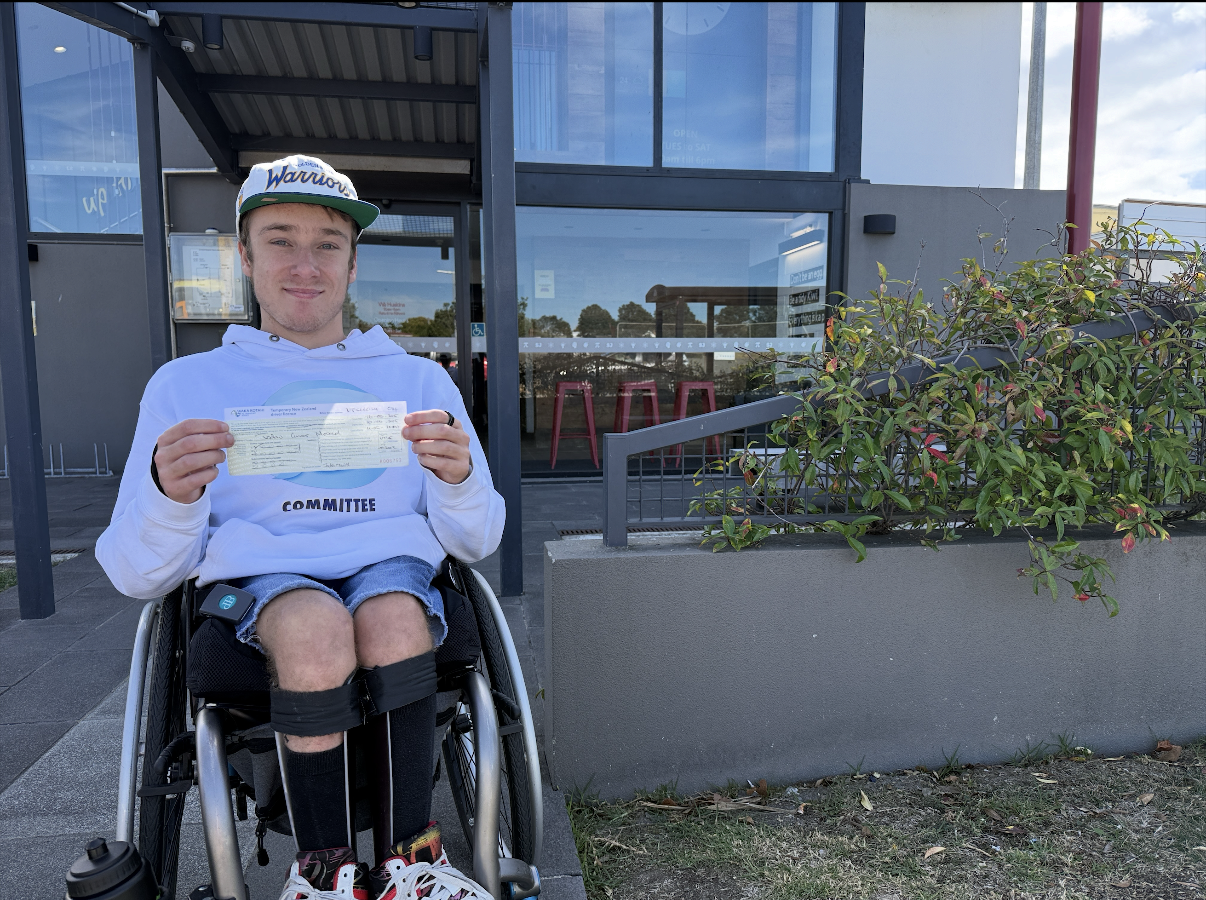
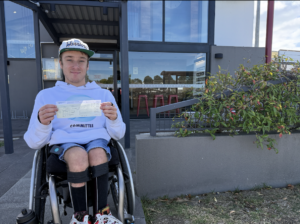
The last few months have felt like a whirlwind. In March, I got my learner’s licence. For most people, that’s a pretty standard milestone. It doesn’t usually get a second thought. But for me, it was huge. It wasn’t just about driving. It was about freedom, responsibility, and reclaiming control in a world where so much of my mobility had always depended on others. Growing up disabled, there were plenty of things people assumed I wouldn’t do, or at least not easily. So sitting that test, passing it, and holding that licence in my hand was more than just a formality. It was a quiet kind of victory.
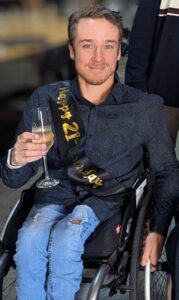
In May, I turned 21. Not long after that, I raced across the UK and Switzerland and made the decision to part ways with my coach after several years. That mix of celebration, travel, and transition forced me to reflect, not just on where I’m going, but on what’s held me up through it all.
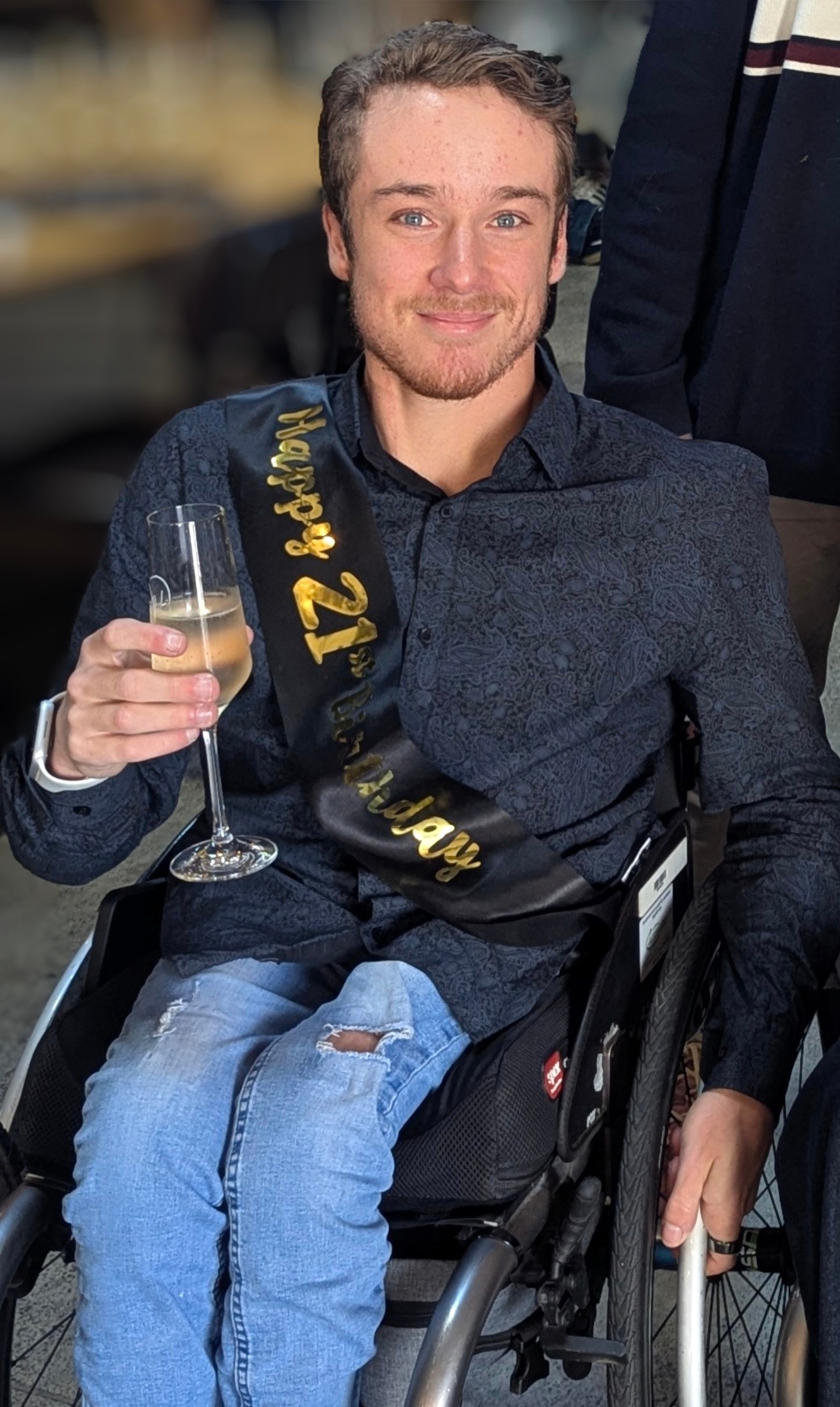
Turning 21 was big. Not just in the obvious ways, but in the sense of how much I’ve lived already. Most people hit that age thinking their story is just starting. For me, it felt like I’d already lived several chapters, the hospital years, the setbacks, the breakthroughs, the wins that came after no one thought they would. I’ve spent more time learning to recover than most people have spent learning to walk, and somehow, I still found a way to move forward.
Turning 21 was big. Not just in the obvious ways, but in the sense of how much I’ve lived already. Most people hit that age thinking their story is just starting. For me, it felt like I’d already lived several chapters, the hospital years, the setbacks, the breakthroughs, the wins that came after no one thought they would. I’ve spent more time learning to recover than most people have spent learning to walk, and somehow, I still found a way to move forward.
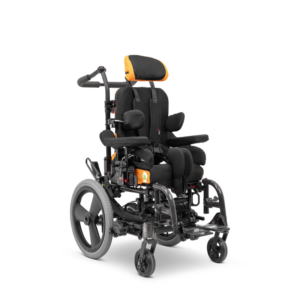
I’ve learned that support matters more than most people realise. And not just emotional support, I’m talking about physical, practical, everyday support. My day chair, with the seating system I rely on every single day, is what keeps me moving between races, through airports, long days, and recovery blocks. When your body has been through as much as mine has, the comfort and stability of your everyday setup aren’t just a convenience; they’re essential. It means I can travel, rest, and recharge without adding extra strain.
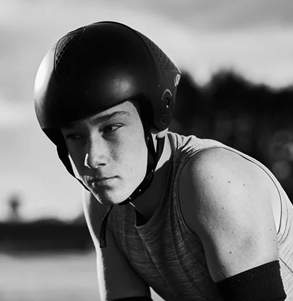
That became clearer than ever on my most recent trip overseas, where my racing chair demanded one kind of precision, and my day chair provided another kind of strength. The kind that supports everything in between the start lines.
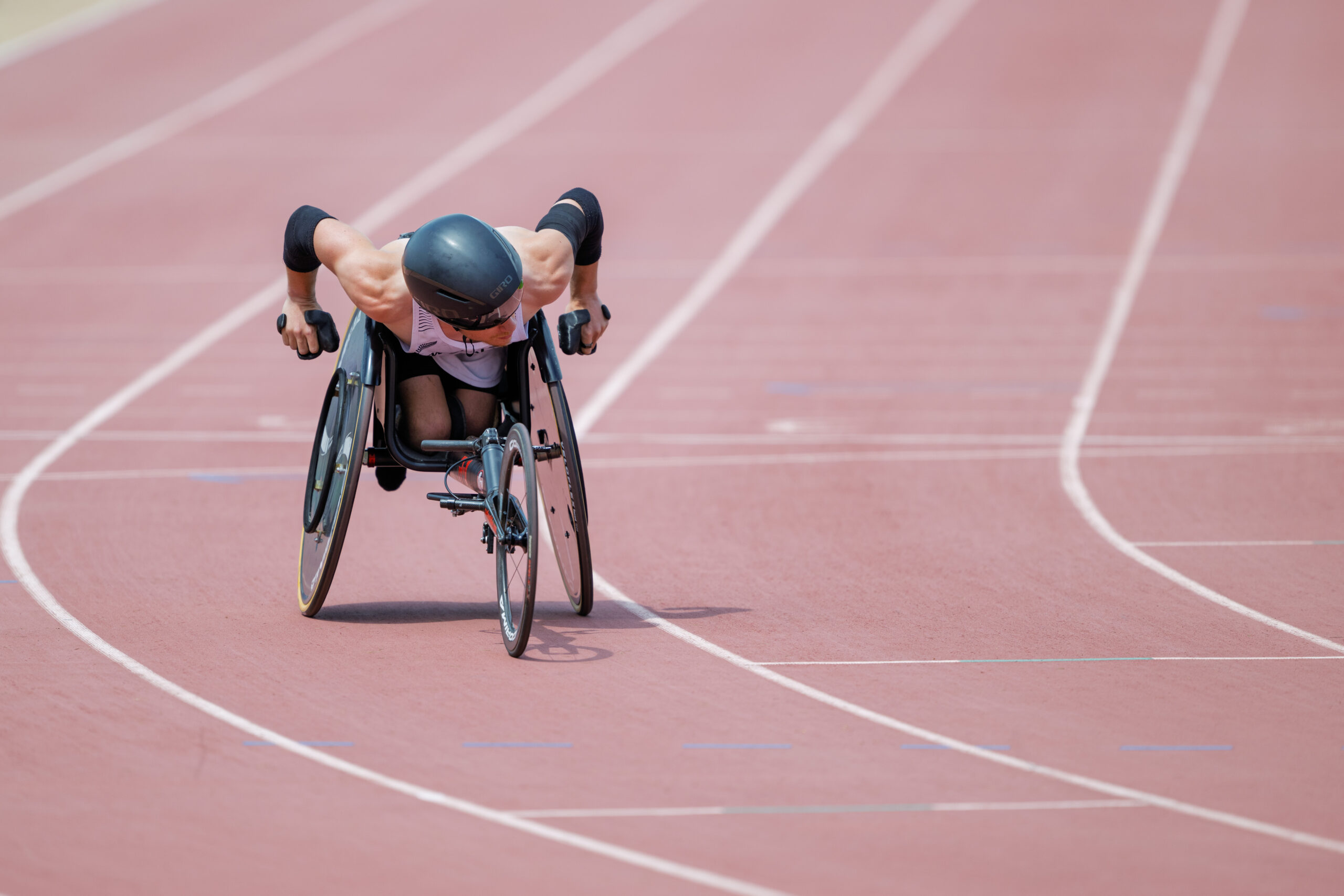
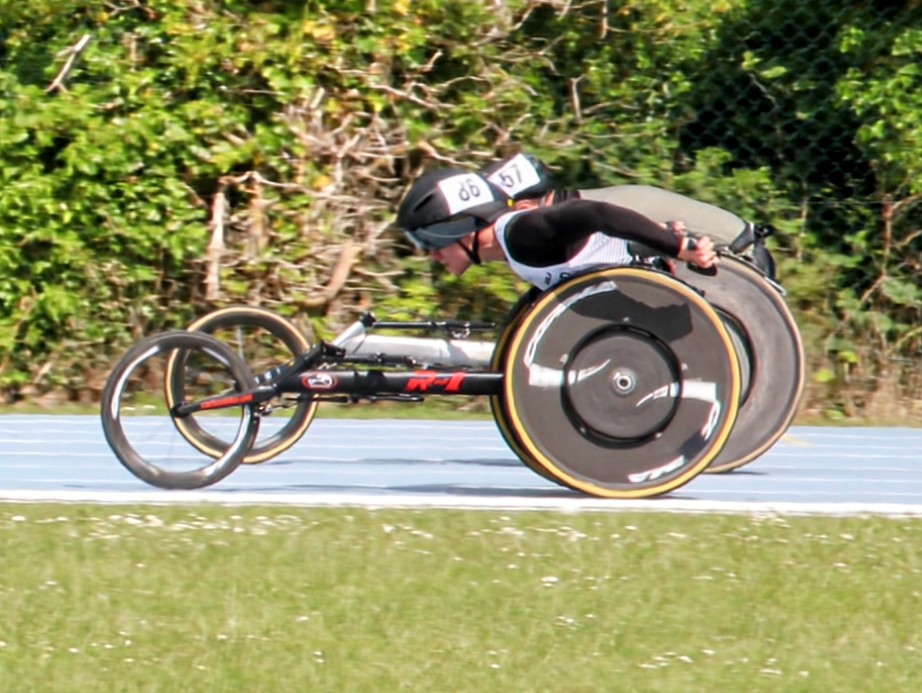
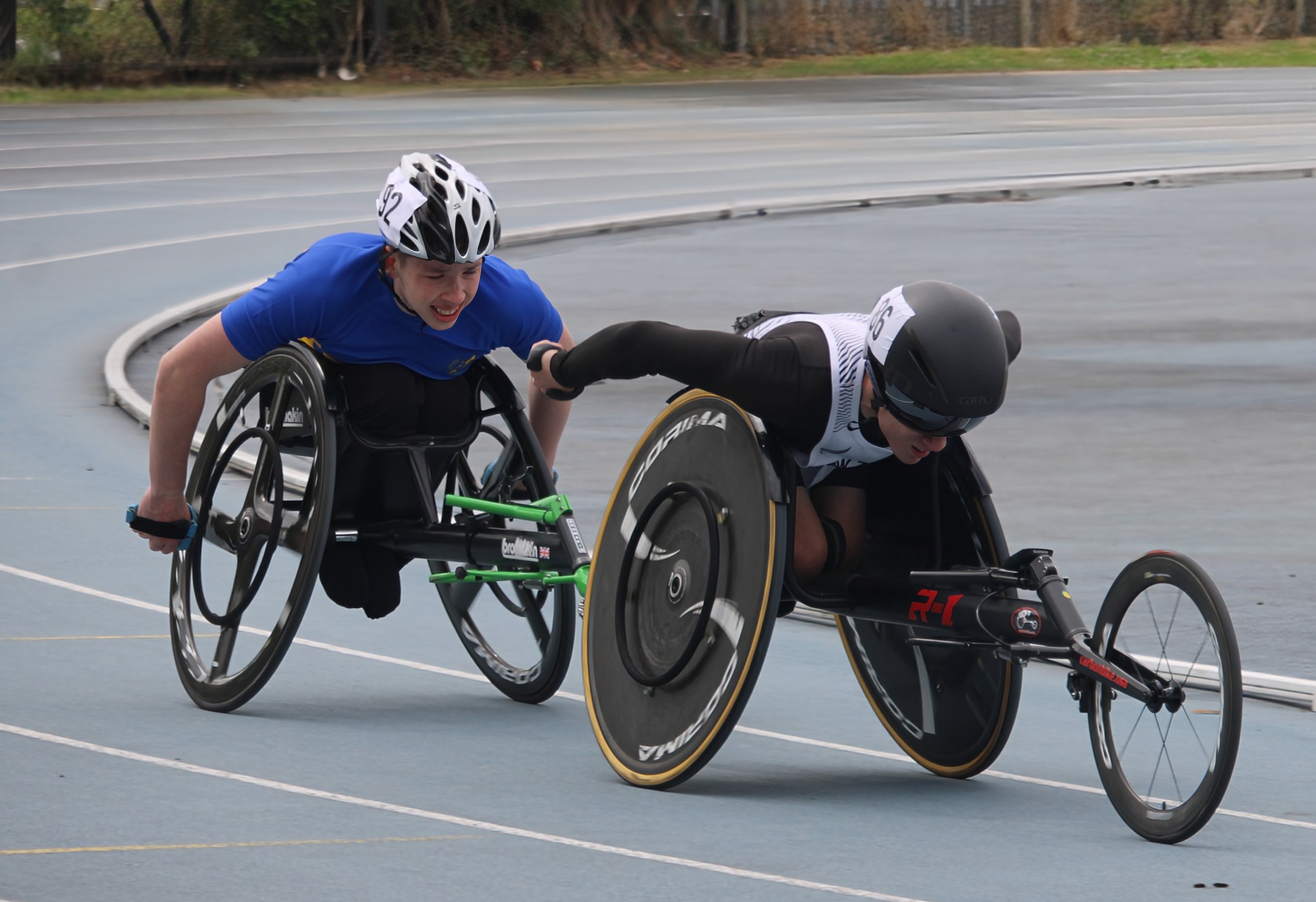
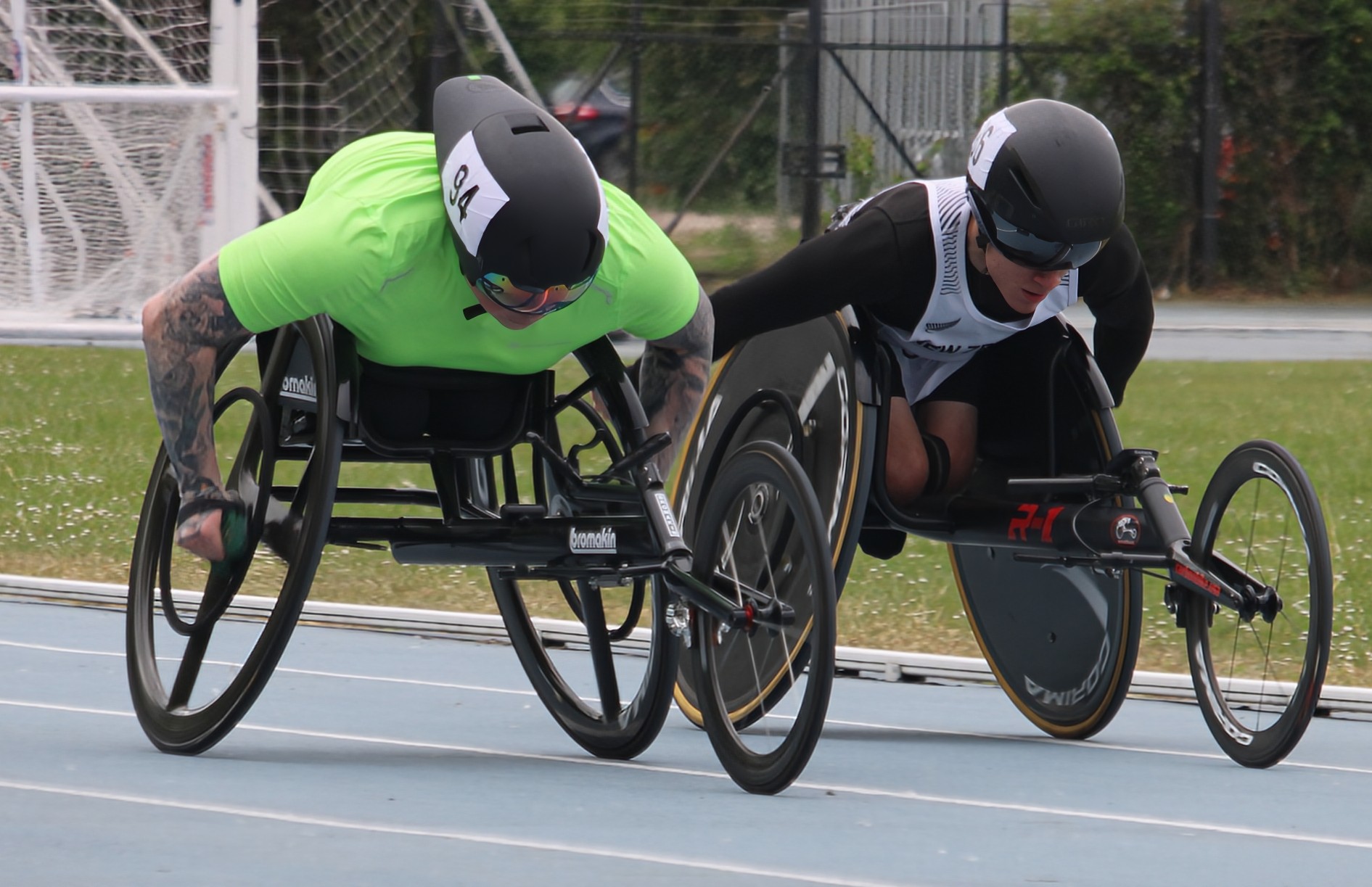
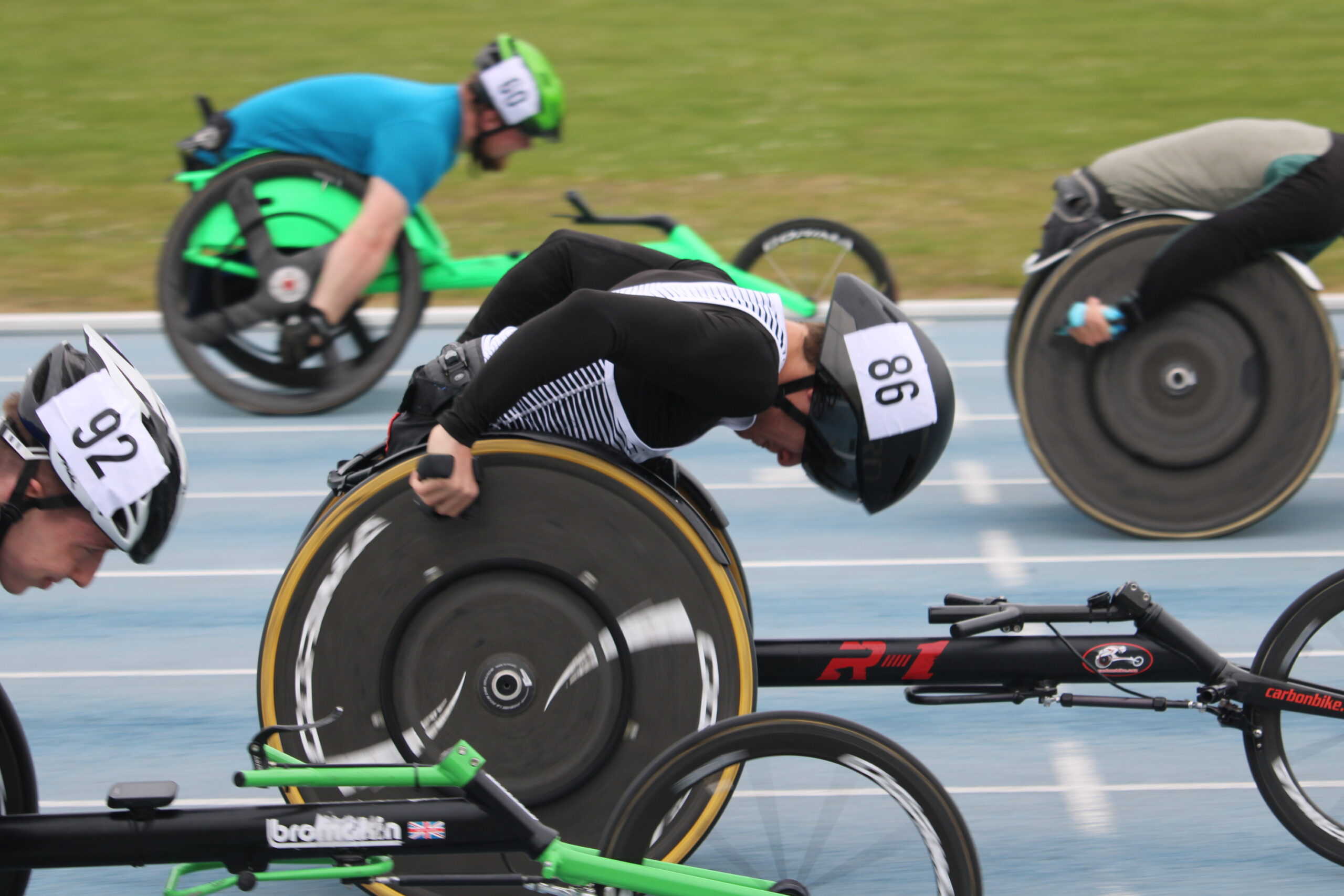
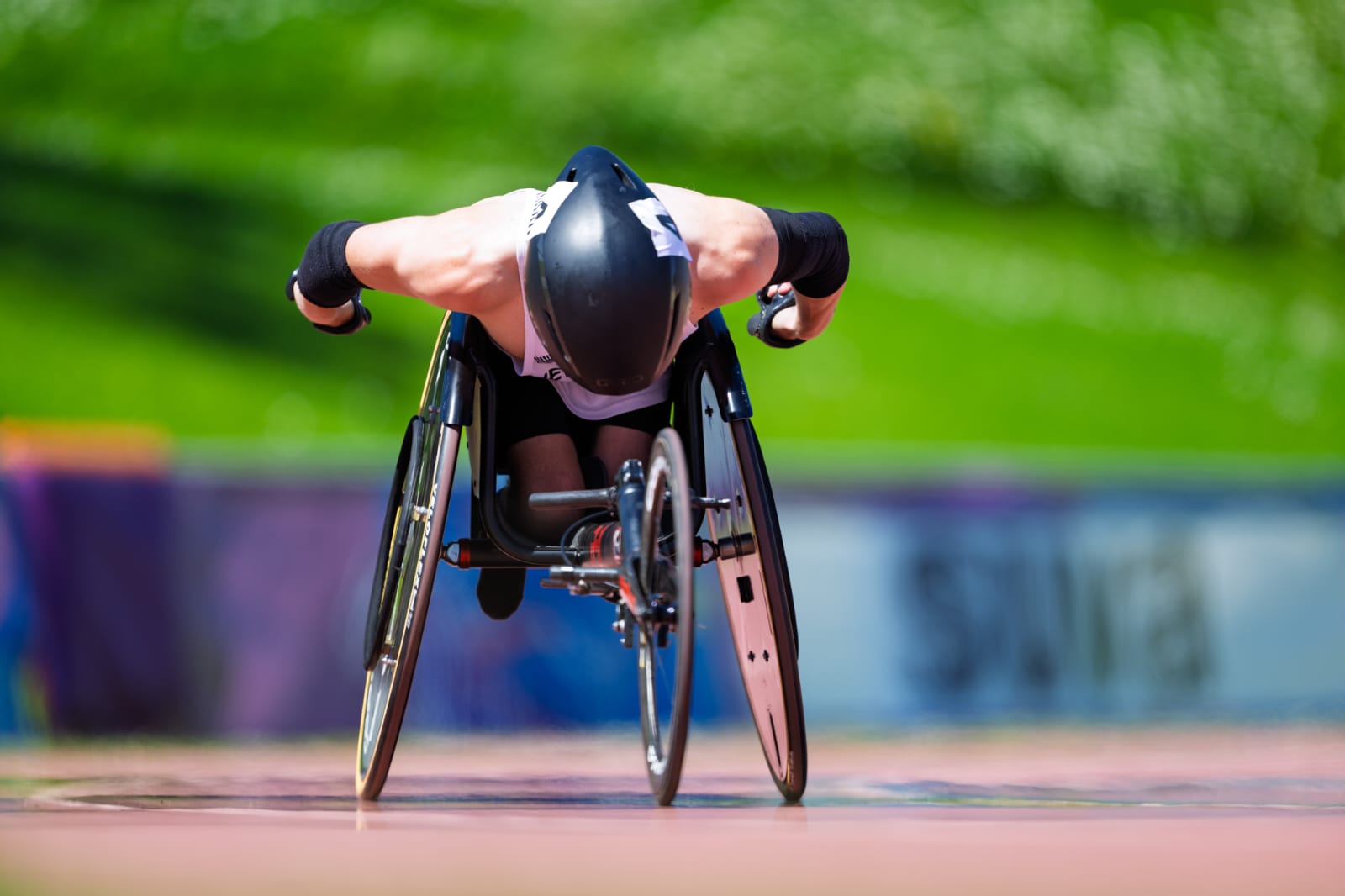
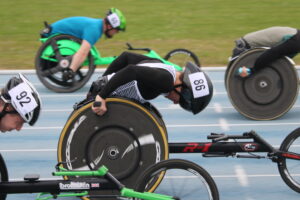
For the first time, I raced in the UK at the British Grand Prix, a major international meet with a world-class field. From there, I flew to Switzerland for three more competitions, including the World Para Athletics Grand Prix, held on what’s known as the fastest track in the world. The level of competition was intense, and the pace of the racing block pushed me to my limits. Long travel days, unfamiliar tracks, tight turnarounds, and no margin for error.
There were no New Zealand coaches by my side. Most days were a mix of early starts, high-stakes races, solo recovery, and resetting my mindset again and again. It was intense, exhausting, and at times overwhelming, but I held my own. At the same time, I was lucky to be surrounded by an incredible international racing community. I had the opportunity to connect with and learn from some of the world’s best racers and coaches. These individuals generously offered guidance, encouragement, and advice in the call room, on the track, and in between races. I trusted my prep, adjusted on the fly, and gave everything I had. It wasn’t just about physical fitness; it was about learning how to back myself while staying open to growth, even under pressure. I came home with a clearer understanding of what I need to improve, and over the next few months, I’ll be putting that into practice, working on the small details that make the big difference.
Turning 21 gave me a moment to take a step back. To think about everything I’ve overcome, everything still ahead, and the people and tools that have helped carry me through. The journey hasn’t been easy, but it’s mine. And I wouldn’t be here without the support, in all its forms, that helped me keep pushing.
I’ve never just seen myself as an athlete. I’m someone who wants to open doors for others, especially young people with disabilities who are still figuring out where they belong. Sport gave me a voice, but it’s the people and platforms like this that give that voice a place to be heard. Off the track, I’ve continued to speak and advocate for accessibility and inclusion, whether in schools, on panels, or in policy conversations. It’s a reminder that performance doesn’t always happen in stadiums. Sometimes, it happens in quiet rooms where change begins. Every time I race, every time I speak, every time I roll into a room that wasn’t built for someone like me, I’m reminding myself and others that we deserve to be there.
As I look ahead, I’m not just thinking about racing faster or training harder. I’m thinking about the kind of impact I want to make, on and off the track. That means paying attention to the small things that shape performance, but also staying grounded in the bigger purpose behind it all. The people I surround myself with, the places I call home, and the values I lead with matter. Because when everything lines up, from mindset to equipment to community, it creates room not just for progress, but for possibility.
For a long time, I thought a “normal” life was the goal. But eventually, I realised I wasn’t born to chase normal, I was built to chase possible. And possible changes everything. Because normal never changed the world.