


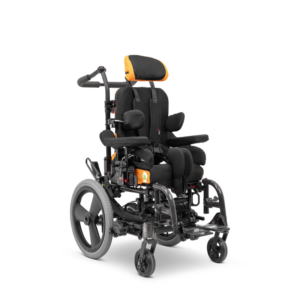


Customising Trunk Support with the TSS Kit
Creating optimal postural alignment often comes down to fine-tuning the details — particularly when it comes to trunk support. The Spex Tessellated Shape System (TSS) Kit has been designed as a hands-on, practical tool for clinicians and technicians to quickly customise back support contouring and improve client outcomes.
What is the TSS Kit?
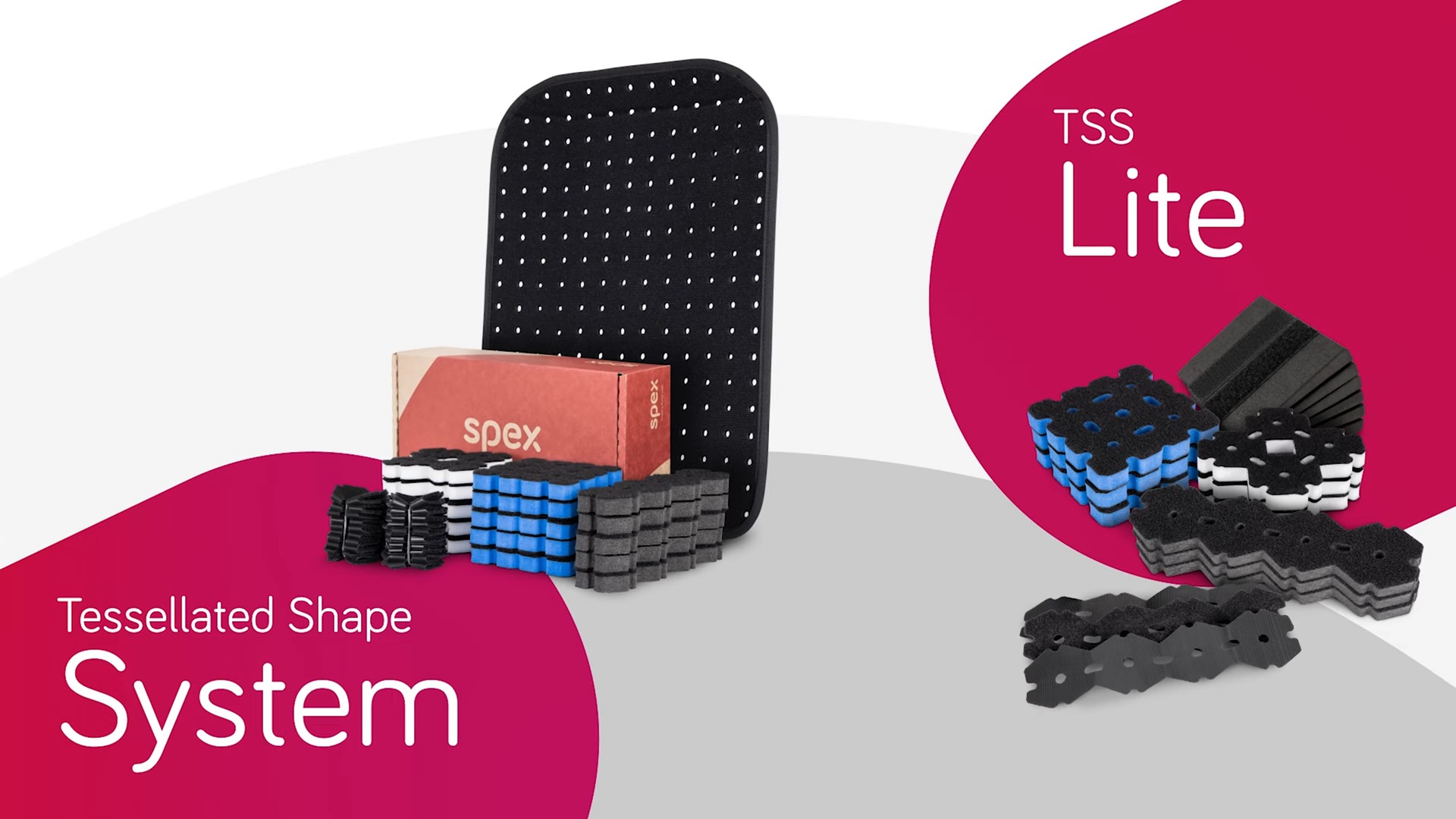
The TSS Kit is a modular system that allows clinicians to build customised trunk support configurations directly onto existing Spex back supports such as the Classic, Manta, SuperShape, and more.
Each kit includes a selection of foam blocks in different densities — firm blue, medium white, and soft charcoal — that can be easily stacked, cut, and secured using strong Velcro fastenings. This flexibility enables clinicians to tailor contouring and support for clients with complex postural asymmetries or unique seating requirements.
The system can be integrated quickly during an appointment or trial, making it an essential resource for clinicians who want to provide on-the-spot solutions for trunk positioning challenges.
Ed explains how the TSS Kit’s layered foam design allows clinicians to create a firmer foundation beneath Spex back supports, ensuring supports maintain optimal alignment throughout the day — even for clients with significant postural deviations such as trunk rotation or rib hump.
“The TSS Kit enables me to dial in the unique positioning support needs for each client, ensuring both comfort and function,” says Ed.
Designed for Clinical Flexibility
The perforated foam blocks allow for airflow and comfort, while the Velcro-backed board offers a secure surface for easy assembly and modification. Each element of the kit is designed with clinical efficiency in mind – from trial setup to final seating configuration.
